South Africa's Sports Minister Calls for Afghanistan Boycott to Support Women's Rights
South Africa's Sports Minister Advocates for Afghanistan Boycott Over Women’s Rights
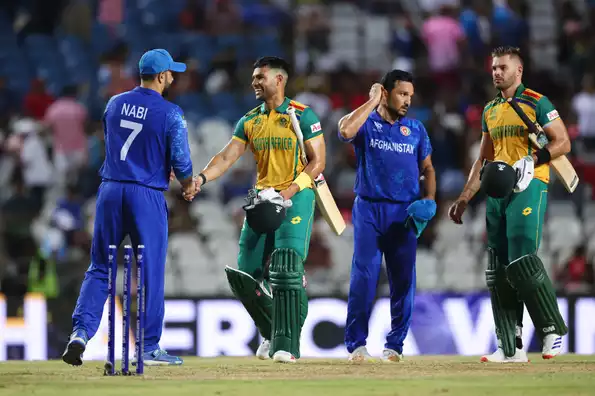
South Africa's Sports Minister, Gayton McKenzie, has urged the national cricket team to boycott their upcoming Champions Trophy match against Afghanistan in solidarity with the women of the troubled Asian nation. The minister highlighted the moral obligation to stand against the Taliban regime's severe repression of women.
McKenzie stated, "As someone who endured racial discrimination during Apartheid, it would be hypocritical to ignore similar injustices happening to women elsewhere in the world."
The Global Outcry
The call for a boycott aligns with international concerns over the Taliban's oppressive policies since their return to power in 2021. Afghan women have faced restrictions on education, employment, healthcare, and even basic freedoms like visiting public spaces or appearing in public without a male guardian.
A compelling open letter from South African-born anti-apartheid activist Lord Peter Hain also urged Cricket South Africa (CSA) to raise the plight of Afghan women cricketers within the International Cricket Council (ICC). Hain emphasized, "Sport was only the first joy to be removed from women in Afghanistan. Since then, their most basic human rights have been stripped away."
CSA's Response
Cricket South Africa acknowledged the concerns, describing the Taliban's treatment of women as "abhorrent." However, CSA maintained that decisions regarding Afghanistan's participation in the ICC tournament must align with international regulations.
CSA President Rihan Richards stated, "A unified approach from all ICC members will have a greater impact. We remain committed to engaging in dialogue to promote meaningful change."
Diverse Reactions
The sports minister's stance has sparked widespread debate. Critics argue that boycotting Afghanistan’s cricket team punishes players who have no influence over the regime's policies. Afghan cricketers like Rashid Khan highlighted how international exposure has bolstered their team's growth.
“We don’t have our own league, but playing in international tournaments helps us improve and inspire Afghan youth,” said Khan at a recent press conference during the SA20.
Global Trends
The boycott debate echoes similar concerns raised globally. Over 160 UK politicians, including figures like Jeremy Corbyn and Nigel Farage, have called for England to withdraw from their Champions Trophy match against Afghanistan. Australia already avoids bilateral fixtures with Afghanistan while participating in ICC tournaments.
Moral vs. Practical Debate
The question remains: Should sports be a platform for activism, or should it remain separate from politics? While McKenzie and advocates see boycotts as a moral imperative, others caution against penalizing innocent players for governmental policies.
As the Champions Trophy approaches, South Africa's decision will set a precedent for addressing human rights issues through sports. Will solidarity with Afghan women take precedence over cricket diplomacy?
Recent Post

India Wins ICC Champions Trophy 2025 – Rohit, Rahul Lead Thrilling Chase

India vs. New Zealand: Champions Trophy 2025 Final Pitch Report and Match Preview

England Knocked Out of Champions Trophy 2025: Afghanistan Stun with Zadran's Record-Breaking 177 and Omarzai’s Heroics

He is Back! Virat Kohli’s Sensational Comeback Stuns Cricket Fans

Mujeeb Ur Rahman Joins Mumbai Indians for IPL 2025 as Replacement for AM Ghazanfar

IPL 2025 Schedule Announced: Key Matches, Teams, and Venues Revealed

Matthew Breetzke Smashes Record with 150 on ODI Debut – Highest Ever!